
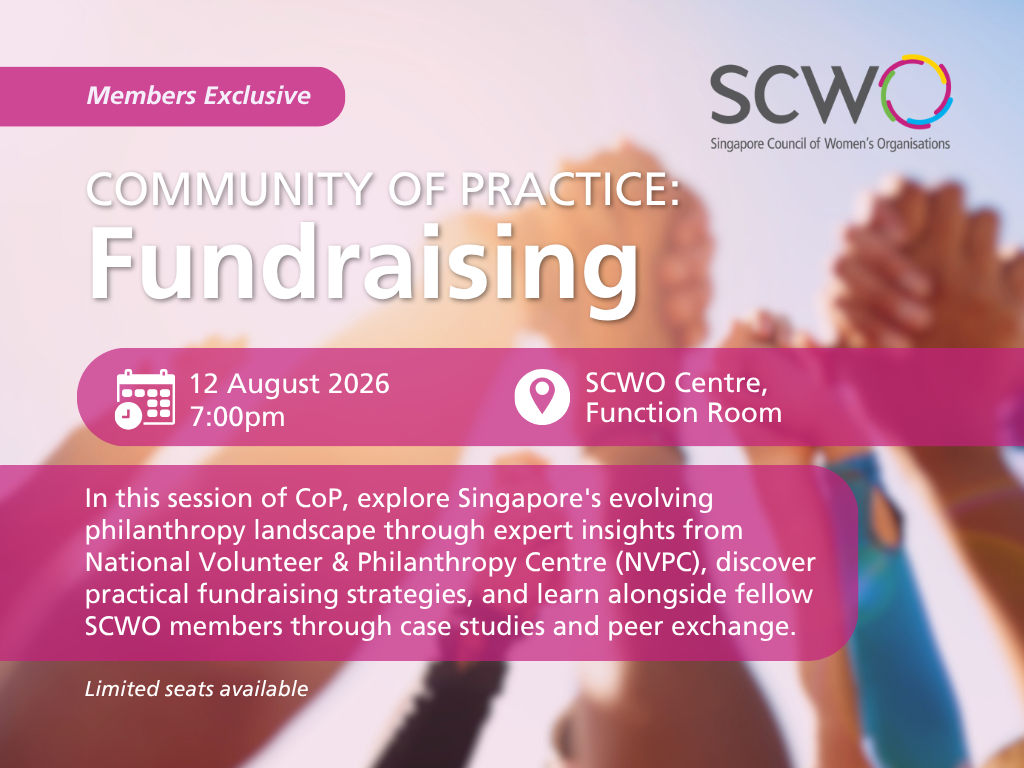
SCWO Members Exclusive - Community of Practice (CoP): Fundraising
Beyond the Ask: Building Sustainable Fundraising Through Trust and Relationships
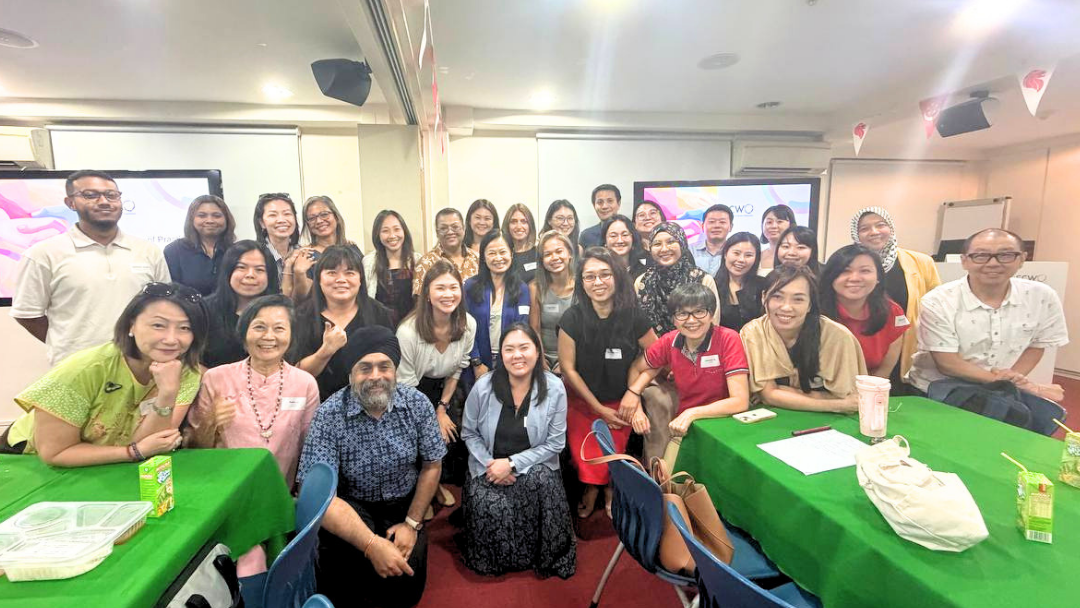
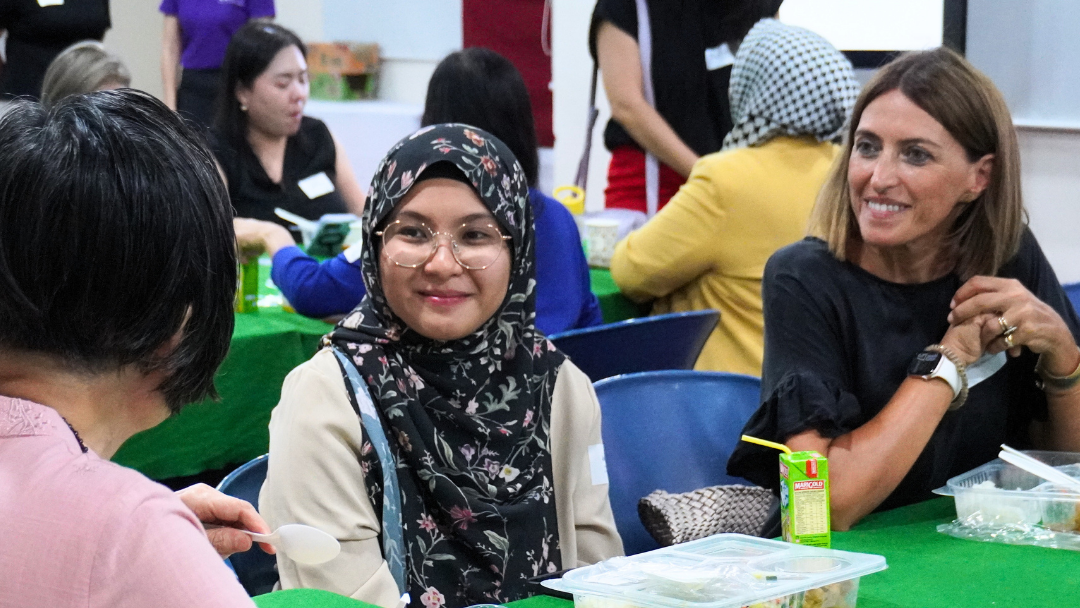
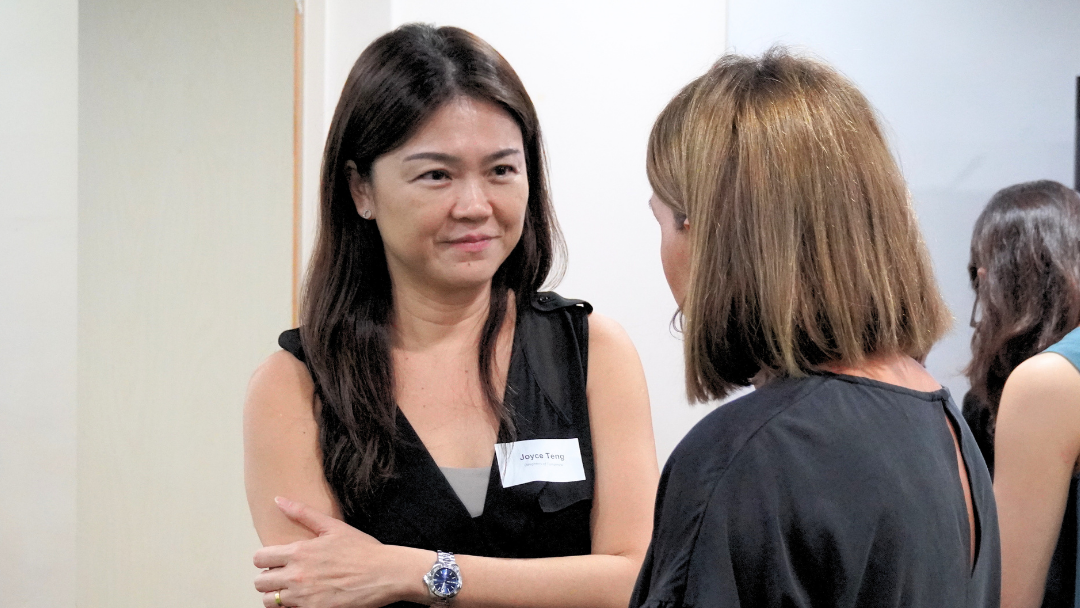
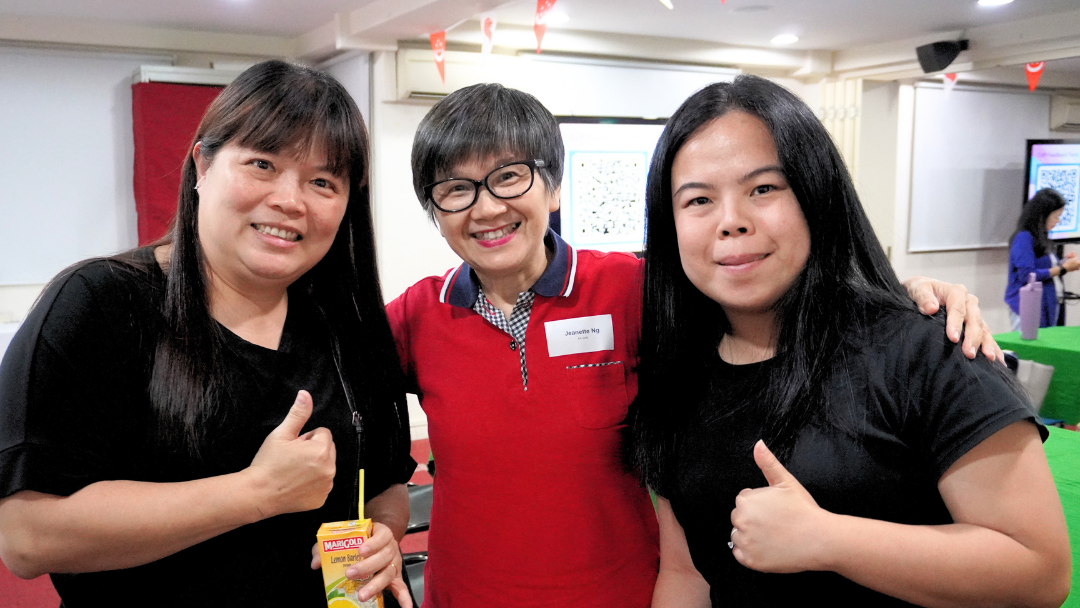
On 12 August 2026, SCWO brought together Member Organisations for our latest Community of Practice (CoP) on Fundraising — an evening of candid sharing, practical insights and peer learning on what it takes to build more sustainable approaches to fundraising.
With insights from the National Volunteer & Philanthropy Centre (NVPC) and sharings from PPIS (Singapore Muslim Women’s Association), United Women Singapore (UWS) and SCWO, the conversation went beyond fundraising tactics to explore a bigger question: How can organisations build the relationships, trust and capabilities that sustain giving over time?
Fundraising sustainability starts with the funding mix
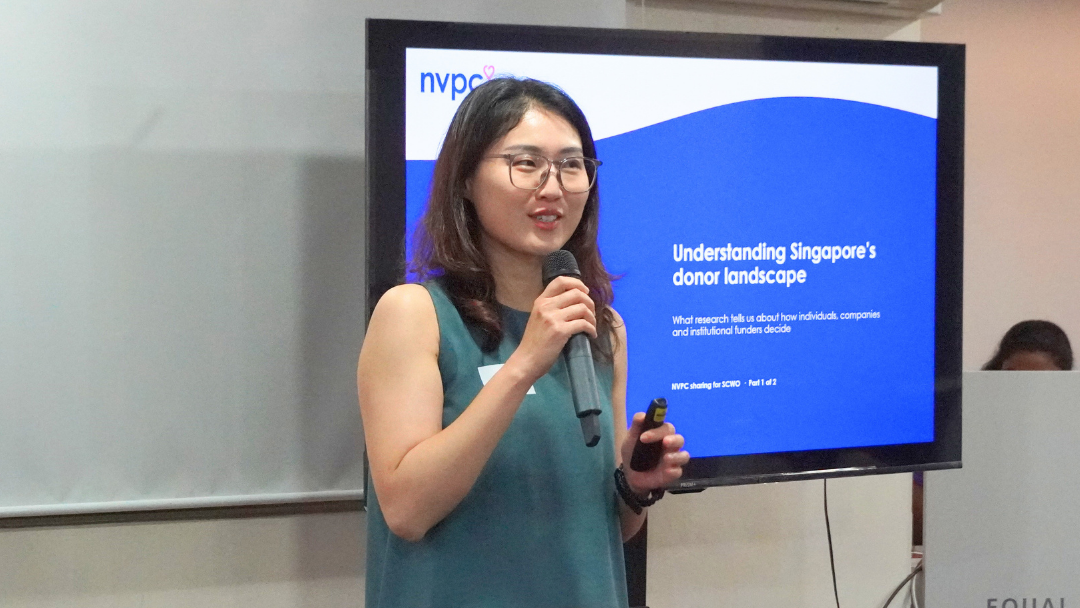
NVPC opened the session with insights into Singapore’s donor landscape, highlighting the importance of looking beyond how much an organisation raises to consider where its funding comes from and how resilient that mix is.
A broader funding base can provide organisations with greater flexibility and resilience, particularly as priorities and funding environments change.
The discussion was a useful reminder that sustainable fundraising is not simply about meeting the next target. It requires organisations to think deliberately about the mix of individual, corporate, institutional and other funding sources they want to develop over time.
There is no one-size-fits-all donor proposition
Another key takeaway from NVPC’s sharing was that different funders are motivated by different questions.
Individuals may ask whether they care about the cause, trust the organisation and believe their contribution will make a difference. Companies consider alignment with their priorities and strengths, while institutional funders look for purpose alignment and confidence that an organisation can deliver.
For fundraisers, this means moving away from a one-size-fits-all pitch. Strong donor engagement starts with understanding the audience and articulating not only what the organisation needs, but why the opportunity is relevant to that particular donor or partner.
Before the ask comes trust
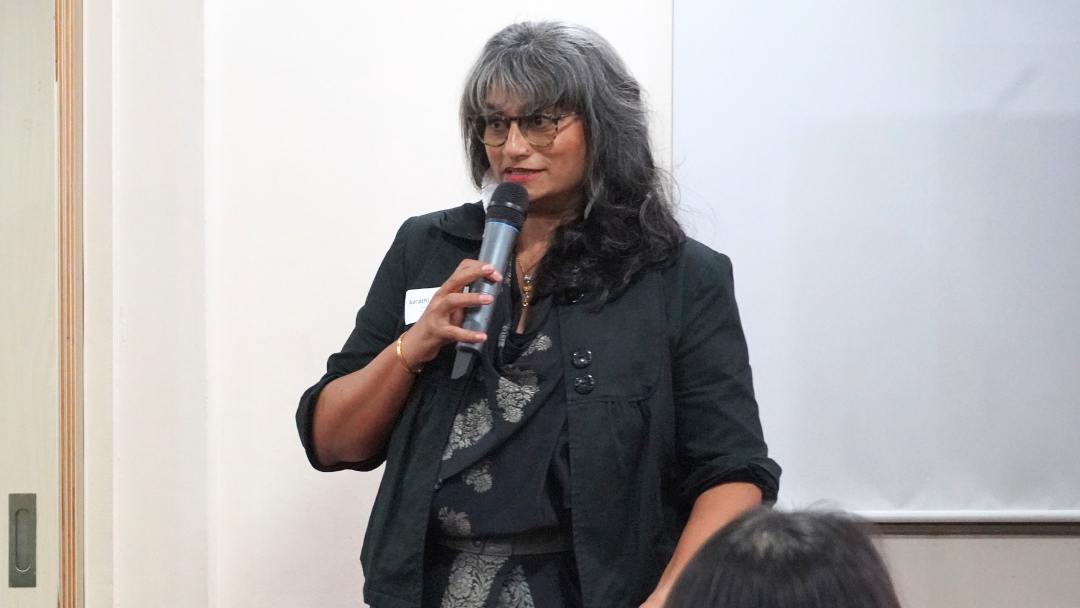
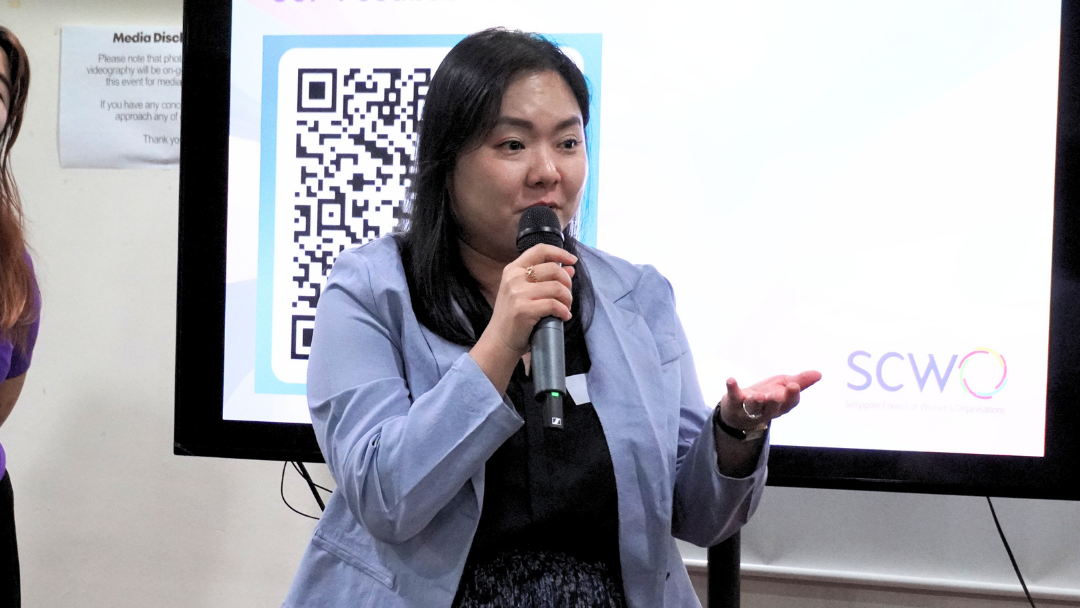
UWS shared candidly about building its fundraising capabilities, including the challenge of balancing immediate targets with the longer-term work of cultivating partnerships.
A central lesson from its journey was relationships before donations. Taking time to understand a partner’s motivations, engage meaningfully and build trust can be just as important as the eventual pitch.
UWS also highlighted the less visible foundations of effective fundraising — systems, coordinated outreach and disciplined follow-up — which help organisations turn conversations into sustained relationships rather than one-off engagements.
Stories persuade. Data makes them stronger.
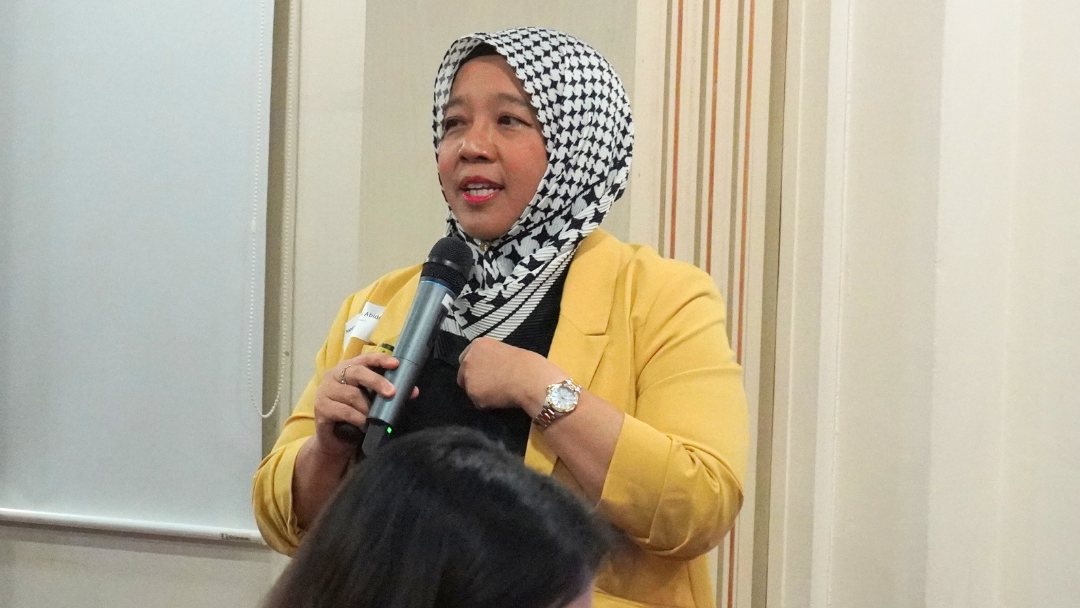
PPIS brought the conversation to life through its own fundraising journey, sharing how a combination of communications, data, leadership support and a culture of experimentation contributed to its strongest fundraising result in a decade.
One takeaway particularly resonated: “Statistics explain. Stories persuade.”
Effective fundraising needs both. Data helps organisations understand their donors and target their efforts more strategically, while stories help people connect with the human impact behind the numbers. PPIS also reminded participants that fundraising is a team sport — drawing on the networks of boards and committees, the advocacy of staff and, above all, strong programmes that create meaningful impact worth supporting.
Good fundraising is also good communication
Through its Effective Fundraising Communications Playbook, NVPC introduced participants to ways behavioural insights can strengthen fundraising communications.
Rather than simply communicating more, organisations can communicate more purposefully — understanding donor motivations and barriers, testing different approaches and learning from what works.
The discussion reinforced that fundraising communications are not simply about making an ask. They are about helping people understand the need, see the impact their contribution can make and feel confident about supporting it.
From fundraising transactions to communities of support
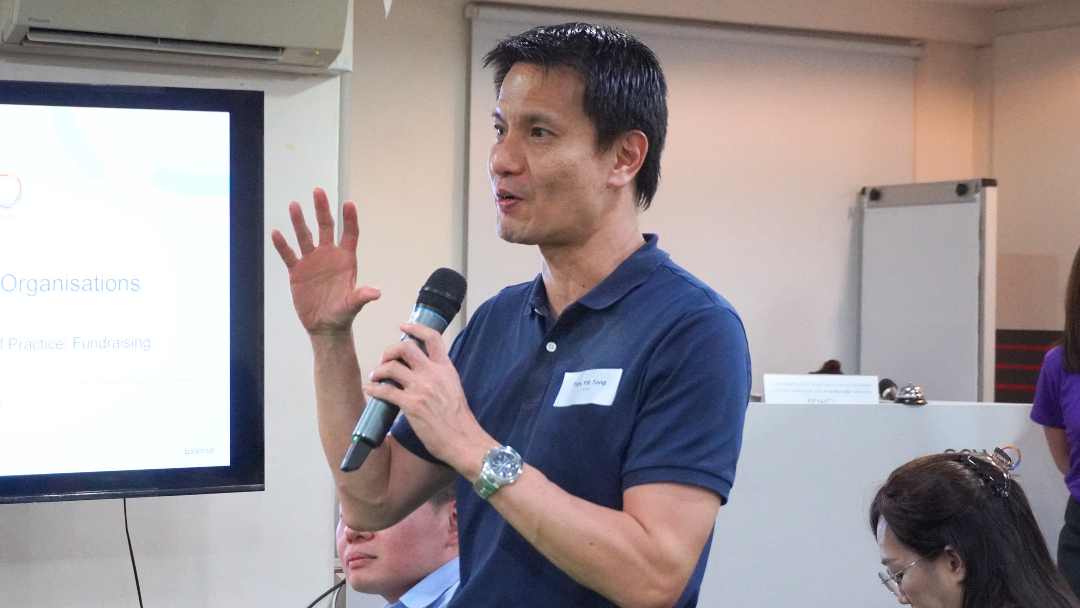
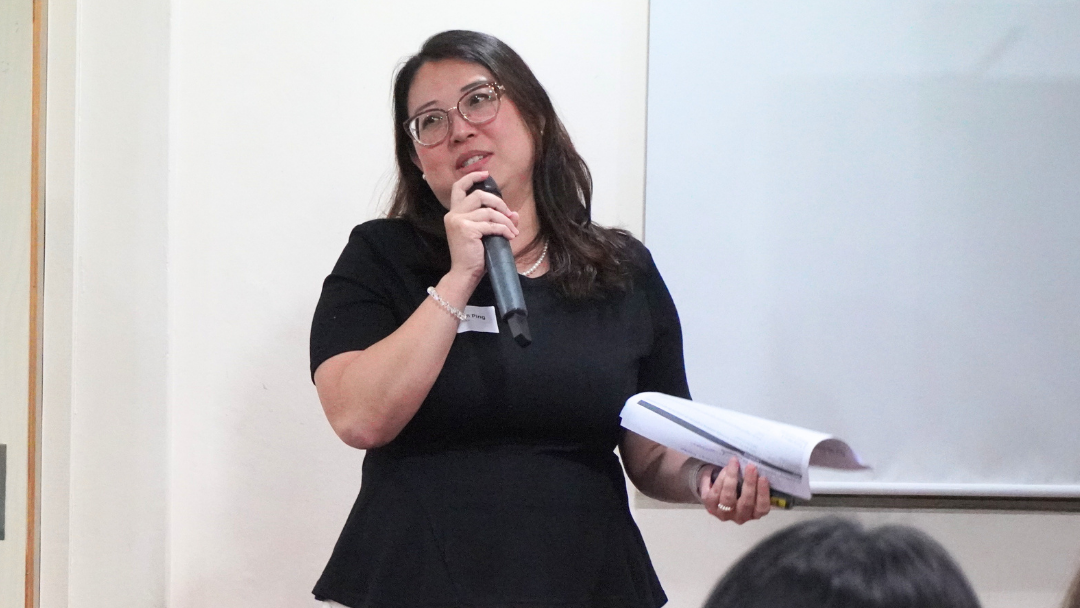
SCWO rounded off the session by sharing its own experience navigating government grants, foundations and trusts, before opening the floor for members to exchange challenges, experiences and ideas.
Across the session, one idea consistently surfaced: sustainable fundraising is ultimately about building communities of support, not simply securing transactions.
That same principle underpins SCWO’s Communities of Practice. By creating spaces where Member Organisations can share what has worked, what has not and what they are still figuring out, we can strengthen capabilities across the sector through collective learning.
Our next Community of Practice will focus on Volunteerism, and we look forward to continuing these conversations with our members.